Services
Specialized Lung Care. Complete Treatment.
Comprehensive Pulmonary Solutions.
Diagnostics and Management, All in One Place.
Advanced Care for Asthma, COPD, and More.
🌬️ What is Asthma?
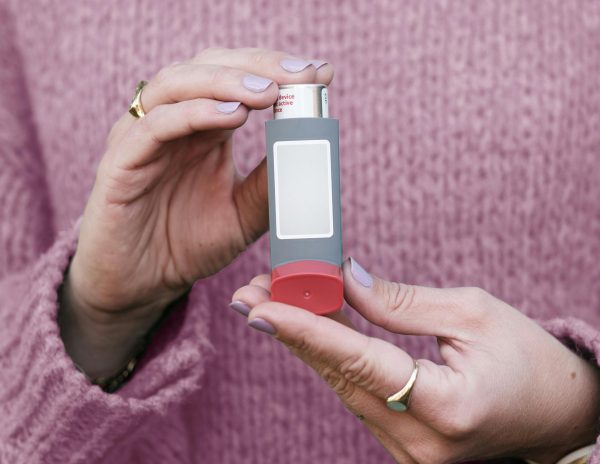
Asthma is a chronic (long-term) condition affecting the airways in the lungs, making them inflamed and narrowed, which can cause difficulty breathing. When a person with asthma is exposed to a trigger (like pollen, dust, or exercise), the muscles around their airways tighten, and the lining of the airways swells and produces extra mucus. This leads to common symptoms such as wheezing, coughing, chest tightness, and shortness of breath. While asthma can develop at any age, it is typically managed with a personalized treatment plan, often including quick-relief and long-term control medications, to minimize symptoms and prevent serious flare-ups.
💨 What is COPD?
We know that when you have a question about your lung health, you don't want to talk to an automated system—you want a person. At BN Medical Group, our commitment to putting patients first means our phone calls are answered quickly, and we return messages and texts promptly. We ensure you get the reliable information and supportive guidance you need, delivered by a friendly, human voice every time.
⚫ What is a Lung Nodule?
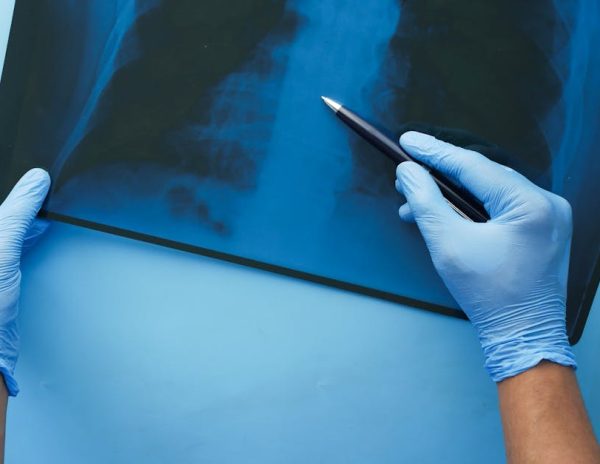
A lung nodule is a small, round or oval-shaped spot in the lung tissue that is visible on a chest X-ray or CT scan. These findings are quite common and are most often benign (non-cancerous), usually representing a small scar from a past infection or inflammation. However, because a nodule can occasionally be an early sign of lung cancer, doctors carefully monitor them over time. The size, shape, and growth rate of the nodule help physicians determine if it requires further testing, such as repeat imaging or a biopsy, to ensure it is not a cause for concern.
🫁 What Is Pulmonary Fibrosis?
Pulmonary fibrosis is a serious lung disease that occurs when the lung tissue becomes damaged and scarred, making the tissue thick and stiff. This scarring, or fibrosis, makes it increasingly difficult for the lungs to properly transfer oxygen into the bloodstream. Symptoms typically include progressive shortness of breath, especially with exertion, and a dry, hacking cough. While the cause is sometimes unknown (called idiopathic pulmonary fibrosis), it can also be linked to certain environmental exposures, medications, or other underlying diseases. Treatment focuses on managing symptoms and slowing the progression of the scarring.
💖 What is Pulmonary Hypertension?
Pulmonary hypertension (PH) is a type of high blood pressure that specifically affects the arteries in the lungs and the right side of the heart. In PH, these blood vessels become narrowed, blocked, or damaged, forcing the heart to work harder to pump blood through the lungs. Over time, this extra strain can cause the heart muscle to weaken. It is a serious, progressive condition that leads to symptoms like shortness of breath, fatigue, dizziness, and swelling in the legs. While there is no cure for PH, various targeted medications can help improve blood flow, reduce blood pressure in the lungs, and ease the strain on the heart.
😴 What is Sleep Apnea?
Sleep apnea is a common and potentially serious sleep disorder where breathing repeatedly stops and starts throughout the night. The most prevalent type is Obstructive Sleep Apnea (OSA), which occurs when the airway collapses or becomes blocked, causing loud snoring and gasping for air. These breathing pauses briefly wake the brain (though the person usually doesn't remember), fragmenting sleep and leading to excessive daytime sleepiness, fatigue, and difficulty concentrating. Untreated sleep apnea can also increase the risk for other health problems. It is typically diagnosed with a sleep study and often treated with a CPAP (Continuous Positive Airway Pressure) machine.
📈 Pulmonary Function Testing
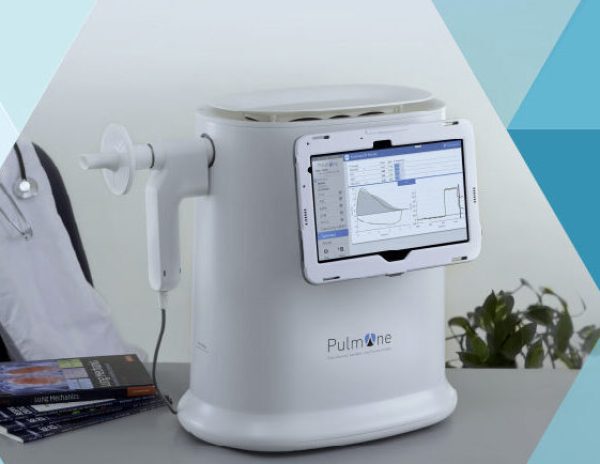
Pulmonary Function Testing (PFT) is a group of non-invasive tests used to measure how well the lungs are working. The most common test is spirometry, which measures how much air a person can inhale and exhale, and how quickly they can exhale. These tests help physicians diagnose conditions like asthma and COPD, measure the severity of existing lung problems, and monitor how well a treatment plan is working. PFT involves breathing into a mouthpiece connected to a device called a spirometer, and the results provide critical objective data about lung volume, capacity, and airflow.
Comprehensive Pulmonary Solutions.